
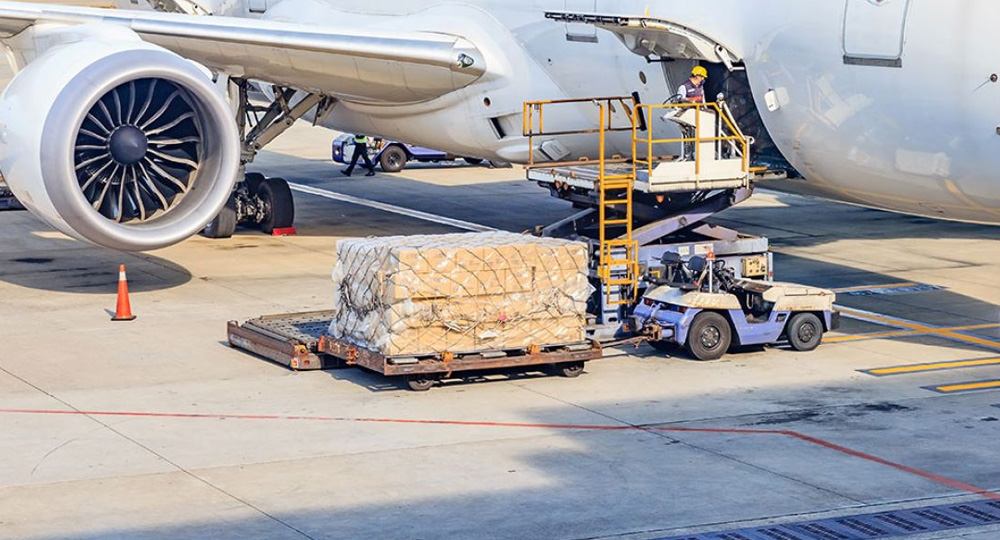
Fast & Reliable: International Airfreight
1. First Flight Out Services
This is the highest priority air freight option. Your cargo is booked on the very next available flight to the destination, regardless of the carrier.
Best for: Urgent shipments, emergency spare parts, medical supplies, or highly perishable goods.
Key Benefit: Minimal transit time and maximum speed.
2. Consolidations
Consolidation involves grouping multiple smaller shipments from different customers into one single container (LCL) or aircraft pallet.
Best for: Businesses that don't have enough goods to fill an entire container but want to avoid high "small parcel" rates.
Key Benefit: Significant cost savings by sharing shipping space with others.
3. Domestic Distribution
This covers the inland movement of goods once they arrive in the country. It ensures the cargo travels from the port or airport to its final destination.
Scope: Includes trucking, rail transport, and "last-mile" delivery to retail stores or warehouses.
Key Benefit: Seamless connection between international arrival and local delivery.
4. Warehousing
Beyond simple storage, this service provides a secure environment for goods before they are shipped or distributed.
Features: Inventory tracking, pick-and-pack services, labeling, and climate-controlled options if necessary.
Key Benefit: Improved supply chain flexibility and better stock management.
5. Customs Clearance & Documentation Handling
This service manages the legal and regulatory requirements for moving goods across international borders.
Function: Preparing and filing necessary paperwork (Invoices, Packing Lists, Certificates of Origin) and paying duties/taxes on your behalf.
Key Benefit: Prevents costly delays, fines, or cargo seizures at the border.
6. Combined Air & Sea Services (Multimoda)
A hybrid solution that uses sea freight for one leg of the journey and air freight for the other.
How it works: Typically, goods travel by ship to a major hub and are then flown to the final destination.
Key Benefit: A "sweet spot" between cost and speed—faster than sea, but cheaper than air.
7. Door-to-Port vs. Door-to-Door Service
These terms define the start and end points of the logistics provider’s responsibility:
Door-to-Port: The provider picks up the goods from the sender's location and delivers them to the destination airport or seaport. The receiver handles the final leg.
Door-to-Door: A complete, "end-to-end" solution where the provider manages the entire journey from the sender’s doorstep to the recipient’s doorstep.
1. First Flight Out Services
This is the highest priority air freight option. Your cargo is booked on the very next available flight to the destination, regardless of the carrier.
Best for: Urgent shipments, emergency spare parts, medical supplies, or highly perishable goods.
Key Benefit: Minimal transit time and maximum speed.
2. Consolidations
Consolidation involves grouping multiple smaller shipments from different customers into one single container (LCL) or aircraft pallet.
Best for: Businesses that don't have enough goods to fill an entire container but want to avoid high "small parcel" rates.
Key Benefit: Significant cost savings by sharing shipping space with others.
3. Domestic Distribution
This covers the inland movement of goods once they arrive in the country. It ensures the cargo travels from the port or airport to its final destination.
Scope: Includes trucking, rail transport, and "last-mile" delivery to retail stores or warehouses.
Key Benefit: Seamless connection between international arrival and local delivery.
4. Warehousing
Beyond simple storage, this service provides a secure environment for goods before they are shipped or distributed.
Features: Inventory tracking, pick-and-pack services, labeling, and climate-controlled options if necessary.
Key Benefit: Improved supply chain flexibility and better stock management.
5. Customs Clearance & Documentation Handling
This service manages the legal and regulatory requirements for moving goods across international borders.
Function: Preparing and filing necessary paperwork (Invoices, Packing Lists, Certificates of Origin) and paying duties/taxes on your behalf.
Key Benefit: Prevents costly delays, fines, or cargo seizures at the border.
6. Combined Air & Sea Services (Multimoda)
A hybrid solution that uses sea freight for one leg of the journey and air freight for the other.
How it works: Typically, goods travel by ship to a major hub and are then flown to the final destination.
Key Benefit: A "sweet spot" between cost and speed—faster than sea, but cheaper than air.
7. Door-to-Port vs. Door-to-Door Service
These terms define the start and end points of the logistics provider’s responsibility:
Door-to-Port: The provider picks up the goods from the sender's location and delivers them to the destination airport or seaport. The receiver handles the final leg.
Door-to-Door: A complete, "end-to-end" solution where the provider manages the entire journey from the sender’s doorstep to the recipient’s doorstep.
